Serving Kerrville, TX and surrounding areas. (830) 488-9157
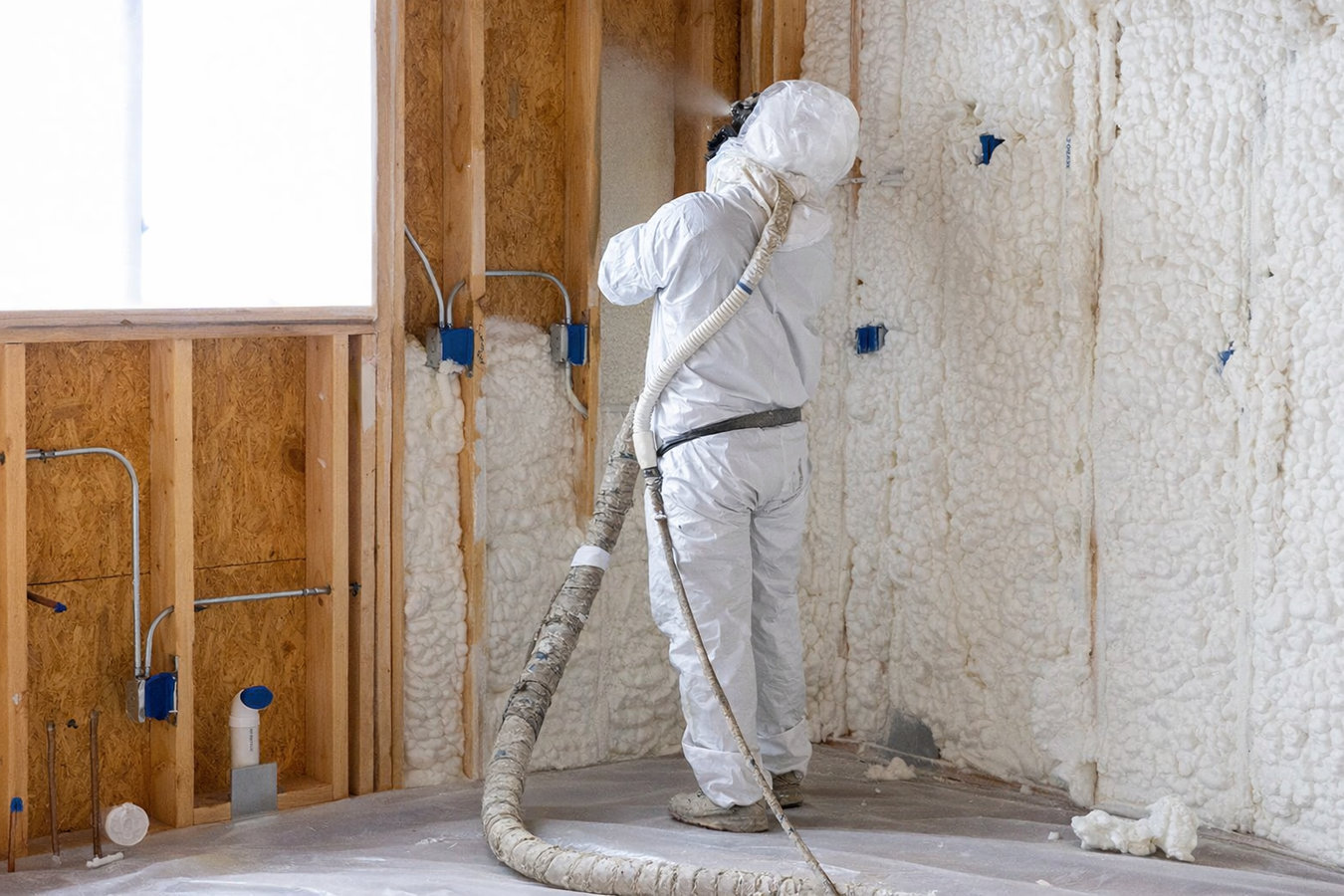
Stop fighting your AC all summer. Professional spray foam seals air leaks and insulates in one step - so your home finally holds its temperature through the Hill Country heat.
Spray foam insulation in Kerrville seals air gaps and insulates simultaneously, most jobs covering an attic or crawl space take one to two days from start to finish. Unlike other insulation types that only slow heat transfer, spray foam expands into every crack and crevice, creating a continuous thermal and air barrier that other materials cannot match.
In the Texas Hill Country, where summer attic temperatures routinely exceed 140 degrees, that combination matters. Homes with gaps in their building envelope are constantly pulling in hot outside air, forcing your air conditioner to run far harder than it should. Spray foam stops that cycle. Many Kerrville homeowners also pair spray foam with attic insulation upgrades for complete coverage from roof deck to living space.
If you are weighing your options, our closed-cell foam insulation service goes deeper on which foam type suits your specific situation. A free on-site estimate is the best place to start.
If your electric bill climbs dramatically from May through September without any changes in habits, your home is losing conditioned air faster than your system replaces it. In Kerrville's climate, where summer cooling costs dominate the annual budget, a poorly sealed attic is almost always the first place to look.
A bedroom over the garage or a bonus room with a vaulted ceiling that is always warmer than the rest of the house is a clear sign of a thermal gap. Spray foam applied to the underside of the roof deck or the attic floor can even out those temperature differences across the whole home.
Hold your hand near an interior wall outlet or the edge of a window frame on a hot afternoon. If you feel warm air pushing in, your building envelope has gaps letting outside air in continuously. This is exactly the problem spray foam is designed to fix permanently.
Kerrville's spring and fall storms push moist air into wall cavities and attic spaces through gaps in the building envelope. A musty smell in certain rooms after a rainstorm means moisture is getting in somewhere it should not - and left unaddressed, that leads to mold inside walls where you cannot see it.
We install both open-cell and closed-cell spray foam across a wide range of applications - from residential attics and crawl spaces to commercial buildings and the metal barndominium-style structures common in the Hill Country. Open-cell foam is softer and more affordable, making it a solid choice for interior walls and attics where budget matters. Closed-cell foam is denser, moisture-resistant, and performs better under Kerrville's extreme summer heat - it is the preferred choice for attic applications where attic temperatures can top 150 degrees. Both types provide air sealing alongside thermal resistance, which is the combination most other insulation types cannot deliver on their own. We also work on attic insulation projects that combine spray foam at the roof deck with blown-in material on the attic floor.
Metal buildings and barndominium-style structures are a special case in this area. Metal conducts heat intensely, and without insulation an uninsulated metal building is unusable in July. Spray foam adheres directly to metal surfaces and eliminates the condensation problems that plague metal buildings in humid conditions - something you cannot achieve with rolled batts or rigid board insulation. If you want to understand the specific differences between foam types before making a decision, our closed-cell foam insulation page covers those details.
A softer, more affordable option well-suited to interior walls, attics, and spaces where sound dampening is a priority alongside thermal performance.
A denser, moisture-resistant foam that performs best in extreme heat, crawl spaces, and metal buildings where rigidity and vapor resistance matter most.
Applied to the underside of the roof deck, this approach brings the attic into conditioned space and dramatically reduces heat gain through the ceiling.
Seals the rim joist and foundation walls to stop cold air, moisture, and pests from entering through the lowest level of your home.
Spray foam adheres directly to metal walls and ceilings, solving the condensation and extreme heat problems that make uninsulated metal buildings unusable in summer.
Suitable for warehouses, retail buildings, and multi-unit structures where a continuous air and thermal barrier is required across large surface areas.
Kerrville sits in the Texas Hill Country, where summer temperatures regularly climb above 95 degrees and attic spaces can reach 150 degrees or more on a July afternoon. That kind of sustained heat pushes through a poorly insulated ceiling constantly, forcing your cooling system to work nonstop. A large share of Kerrville homes were built between the 1960s and the 1990s, well before modern air-sealing standards existed - meaning many older homes here are losing conditioned air through gaps that spray foam can seal in a single visit. The U.S. Department of Energy estimates that air leaks account for 25 to 40 percent of a typical home's heating and cooling energy loss, and in a climate like this one, that number hits your wallet every month from June through August. Homeowners in Ingram and Fredericksburg face the same conditions and see the same results after a spray foam upgrade.
The Hill Country also receives periodic heavy rainfall and humidity surges during spring and fall storm seasons. Homes with gaps around attic vents, plumbing penetrations, and rim joists pull in humid air that condenses inside wall cavities and can cause mold or wood rot over time. Closed-cell spray foam directly addresses this because it resists moisture absorption and seals those entry points permanently. For homeowners dealing with a metal shop or barndominium that becomes unusable in summer, spray foam is one of the only solutions that works reliably on metal surfaces - and it eliminates the condensation problems that make metal buildings damp and prone to rust from the inside. The U.S. Department of Energy air sealing guide is a useful reference if you want to understand what your home is losing before scheduling an estimate.
We respond within 1 business day. When you reach out, we will ask a few basic questions about your home and what you are hoping to fix - then schedule a free on-site estimate at a time that works for you.
A technician walks through the space with you - attic, crawl space, or walls - and takes measurements. You get a written quote before anything starts. No obligation, no pressure.
You clear the work area of stored items. The crew handles masking off surfaces and vents. Plan to be out of the treated area for the day - most jobs are finished in one to two days.
The foam needs 24 hours to fully cure. The crew does a final walkthrough showing you the completed installation before they leave. You see exactly what was done and where.
We respond within 1 business day - no exceptions. There is no obligation with a free estimate. After you submit, someone from our office calls to schedule a free on-site assessment at a time that works for you.
(830) 488-9157Every job comes with a free written estimate up front and written documentation of the materials and scope when we finish, whether the project is a crawl space or a full commercial building. You can ask for that paperwork before we start.
We come to your property, assess the space, and give you a written quote that breaks down exactly what is included. You decide whether to move forward - no pressure, no deposit required to get the estimate.
We are a local business, not a national franchise. We know the housing stock in this area - the older homes near downtown, the metal buildings and barndominiums on the edges of town, and the conditions that make Hill Country homes uniquely challenging to insulate well.
We respond to every inquiry within one business day. Before the crew starts, you get a specific re-entry time in writing - so you can plan your day and know exactly when your home will be ready. The Spray Polyurethane Foam Alliance sets quality standards for the industry that we follow on every installation.
Spray foam insulation is one of the higher-cost upgrades a homeowner can make - which is exactly why the quality of the contractor matters. A well-installed job lasts the lifetime of the building. A poor one leaves gaps that cost you money every month without any obvious explanation. Contact us for a free estimate and see the difference a local contractor makes.
Combine spray foam at the roof deck with blown-in coverage on the attic floor for complete thermal protection above your living space.
Learn MoreThe denser, moisture-resistant foam type best suited to Kerrville attics, crawl spaces, and metal buildings that take the hardest heat.
Learn MoreKerrville summers are long - the sooner your home is properly sealed, the sooner you stop paying to cool air that leaks straight out.