Serving Kerrville, TX and surrounding areas. (830) 488-9157
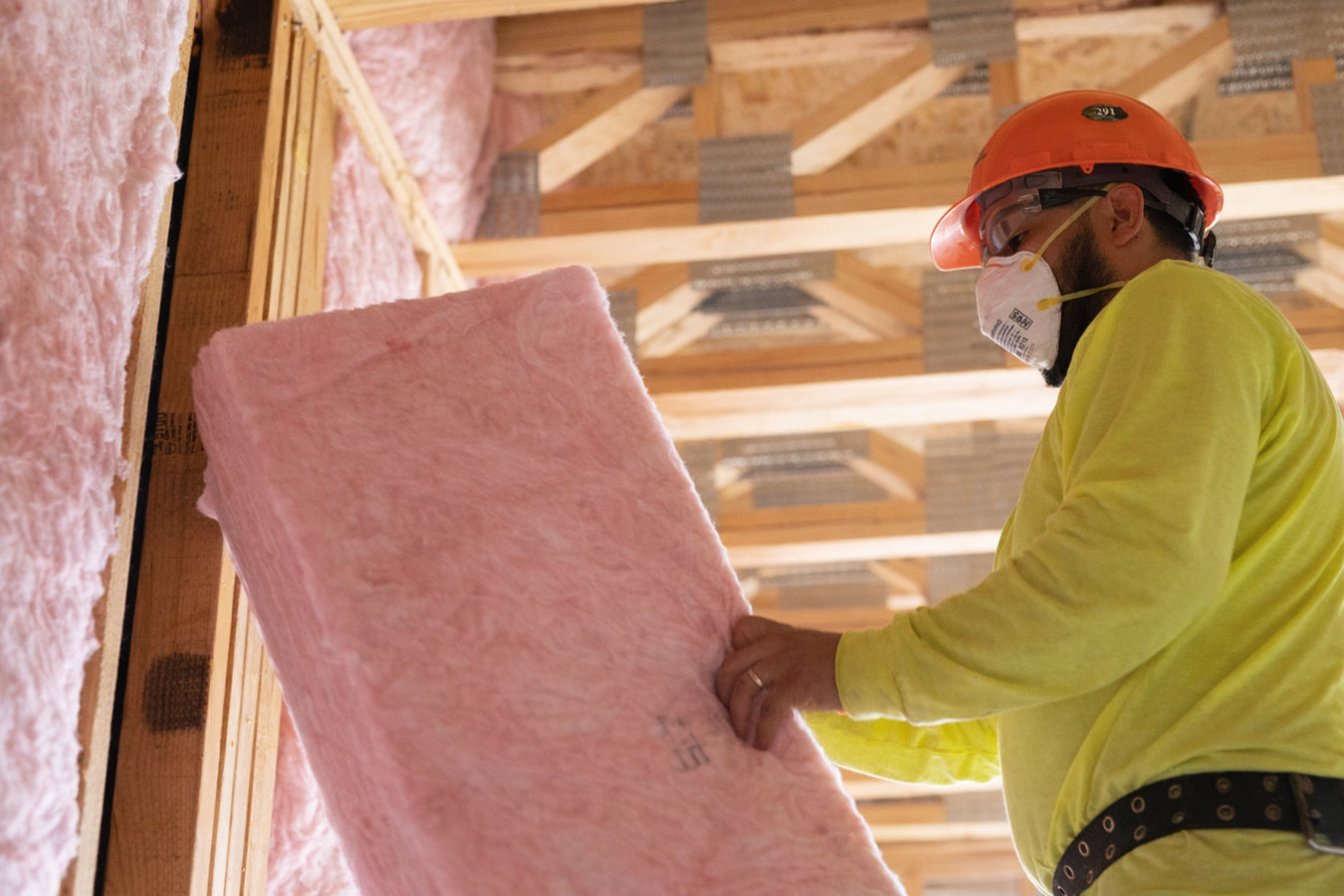
Most Kerrville homes built before the 1990s are under-insulated. We add what your home needs - attic, walls, crawl space - without tearing anything apart.
Retrofit insulation in Kerrville means adding insulation to a home that is already built - without tearing out walls or doing a major renovation - and most attic projects are completed in a single day with no need for you to leave your home.
Most homes in Kerrville built before the mid-1980s were insulated to standards that are now well below what is needed to keep energy bills reasonable. Over time, insulation also settles, compresses, or gets damaged by moisture and pests, making it even less effective. The attic is almost always the first place we look because heat rises and escapes through the roof more than anywhere else. Walls, floors over unconditioned crawl spaces, and rim joists are also common targets. Treating all of these together gives you the biggest improvement in comfort and the biggest drop on your electric bill. When the work involves sealing gaps at the same time - which we recommend - pairing retrofit insulation with attic air sealing gives you the full benefit that insulation alone cannot deliver.
We visit your home, check your current insulation levels, identify air leaks, and explain what we find in plain language before we quote anything. If you want to understand what your home actually needs, call us at (830) 488-9157 to schedule a free assessment - no commitment required.
If the bedrooms on your upper floor are significantly warmer than the living areas below - especially during Kerrville's long summer afternoons - that is a strong sign your attic insulation is not doing its job. Heat builds up in an under-insulated attic and radiates down through the ceiling, making upper rooms uncomfortable even when the air conditioner is running constantly.
Kerrville summers are long and hot, and your air conditioner will work hard regardless. But if your electric bill climbs dramatically from May through September - or if it is noticeably higher than neighbors in similar-sized homes - your insulation may be forcing your system to work much harder than it should. A well-insulated home holds its temperature longer, which means the AC cycles less.
Hold your hand near an electrical outlet on an exterior wall on a hot or cold day. If you feel air moving, or if the wall feels warm in summer or cold in winter, the wall cavity behind it likely has little or no insulation. This is especially common in Kerrville homes built before the 1980s, where wall insulation was often minimal or installed inconsistently.
Homes built on pier-and-beam foundations - common in older parts of Kerrville - have a gap between the floor and the ground. In summer, heat from the ground and surrounding air works its way up through an uninsulated floor. If your floors feel warmer than they should, or if rooms near the edges of the house are harder to keep cool, the crawl space below is likely the culprit.
For attic work, we set up a blowing machine outside and run a hose up through your attic hatch to fill in blown-in cellulose or fiberglass to the correct depth for the Texas Hill Country climate. Most homeowners are surprised by how little mess and disruption there is - a standard attic is done in a few hours and you can use your home normally the moment we leave. Before we blow in any new material, we seal the gaps beneath it - that is the step that makes insulation perform at its rated value rather than being undermined by air movement. You can read more about that on our home insulation page, which covers the full-house approach.
For walls, we drill small holes from the outside or inside, fill the wall cavity with dense-pack material, and patch the holes neatly. For crawl spaces, we insulate the floor above or the crawl space walls themselves depending on the configuration of your home. We look at each area separately and quote them individually so you know exactly what each upgrade costs and can decide what to prioritize. We also provide the product documentation you will need to claim a federal energy efficiency tax credit - just ask when we finish the job.
Best for most Kerrville homes - blown-in cellulose or fiberglass added to the recommended depth after gaps are sealed, completed in a single day with no disruption.
For homes with little or no wall insulation - material is injected through small holes that are neatly patched, with no need to tear out drywall or siding.
For pier-and-beam homes in older Kerrville neighborhoods - insulating the floor above the crawl space reduces heat gain in summer and cold air intrusion in winter.
For homes that need upgrades in multiple areas - attic, walls, and crawl space assessed and quoted together so you can tackle everything in the right order.
Kerrville summers put enormous pressure on air conditioning systems. Attic temperatures regularly hit 140 to 150 degrees on a hot afternoon - temperatures that radiate straight down into your living space when the insulation is thin or missing. Many of Kerrville's established neighborhoods along the Guadalupe River corridor include homes built in the 1960s through 1980s that were insulated to standards well below what is recommended today. If your home is in one of these older neighborhoods and has not had insulation work done in the last decade, you are almost certainly paying more to cool it than you need to. The U.S. Department of Energy provides current R-value recommendations by climate zone - Kerrville falls in a zone that requires significantly more insulation depth than many of these older homes were built with. Homeowners in Comfort and surrounding Hill Country communities face the same housing stock challenges and see the same results from proper insulation upgrades.
Parts of Kerrville and the surrounding Hill Country also sit on caliche and pier-and-beam foundations, where an uninsulated crawl space floor is a significant source of heat gain in summer and cold loss in winter - a problem that often gets overlooked while homeowners focus on the attic. Kerrville winters are generally mild, but the Hill Country sees cold snaps and occasional hard freezes that catch poorly insulated homes off guard. The same insulation work that keeps your home cool in July also keeps it warm in January. Residents in Ingram deal with the same conditions and benefit from the same improvements. The Building Performance Institute recommends assessing the whole house together - attic, walls, and crawl space - so that insulation upgrades address the full picture rather than just the most visible symptom.
We ask a few basic questions - your home's age, size, and what has been bothering you. We reply within 1 business day and schedule a free in-home assessment rather than quoting over the phone, because every home is different and a phone quote is rarely accurate.
A contractor walks through your home and spends time in your attic, checking how much insulation is there and what condition it is in. They also look for air leaks. The visit usually takes 30 to 60 minutes, and a good contractor explains what they find in plain language before they leave.
You receive a written estimate that breaks down which areas will be treated, what material will be used, and the total cost. Read it carefully and ask whether air sealing is included - that step is what makes the insulation work as well as it should. There is no pressure to decide on the spot.
For attic jobs, the crew sets up outside and runs a hose up through your hatch. A standard attic is done in a few hours - there is no curing time and no waiting period. Before leaving, ask for the product documentation - you will need it to claim a federal tax credit if you plan to file for one.
Free in-home assessment, written estimate, no obligation - we explain everything before any work starts.
(830) 488-9157A contractor who quotes over the phone without visiting your home is guessing. We send someone to your attic, look at what is actually there, and tell you what we find - good and bad - before we recommend any work. That honest assessment is how we start every job, and it protects you from paying for upgrades your home does not need.
We have been serving Kerrville and the Texas Hill Country since 2016. We know the housing stock here - the 1970s ranch-style homes near downtown, the older pier-and-beam houses along the river corridor, and the newer builds on the north side of town. That local knowledge makes our assessments faster and our quotes more accurate.
Poor insulation work often means new material was added on top of existing air leaks without sealing them first. We never do that. When sealing is needed - and it almost always is - we do it before we blow in any new insulation. That is the step that makes the difference between a job that delivers results and one that disappoints.
The federal energy efficiency tax credit covers 30 percent of insulation material costs for qualifying upgrades to existing homes. We provide the manufacturer product documentation you need to file your claim - just ask before we pack up. The IRS Energy Efficient Home Improvement Credit is real money back in your pocket, and we make sure you have what you need to claim it.
Every one of these proof points comes from doing this work in Kerrville for years - not from a marketing checklist. Call us at (830) 488-9157 or request a free estimate online and we will schedule your assessment within a few days.
High-performance spray foam applied directly to surfaces for an airtight seal - ideal for hard-to-reach areas and new construction where maximum performance is the goal.
Learn MoreFull-home insulation assessment and installation covering every area of the house - the comprehensive starting point for homeowners who want to address everything at once.
Learn MoreSummer is long in the Hill Country - scheduling your retrofit insulation now means your home is working for you, not against you, from the first hot week of June.